
How We Created Netflix-Level Production on 15% of the Budget
The Partnership Framework That Turned Budget Constraints Into Production Advantages
Netflix spends roughly $18 billion annually on content. Now that's a lot of entertainment! It's also how they keep their audience paying subscriptions. Having access to a decent budget makes a filmmaker's life a little easier but it does make it challenging for the rest of us. The audience expects Netflix-level production for their attention, and we have to pull out every trick in the book to make sure they get it.
When we produced the Toshiba Tablet Race we were three people with a shoestring budget. We couldn't compete with a Netflix budget, so we stopped trying to build everything ourselves. Instead, we asked:
"who already has what we need,
and what can we offer them in return?"
That question became our entire production strategy.

The Freelance Network That Extended Our Reach
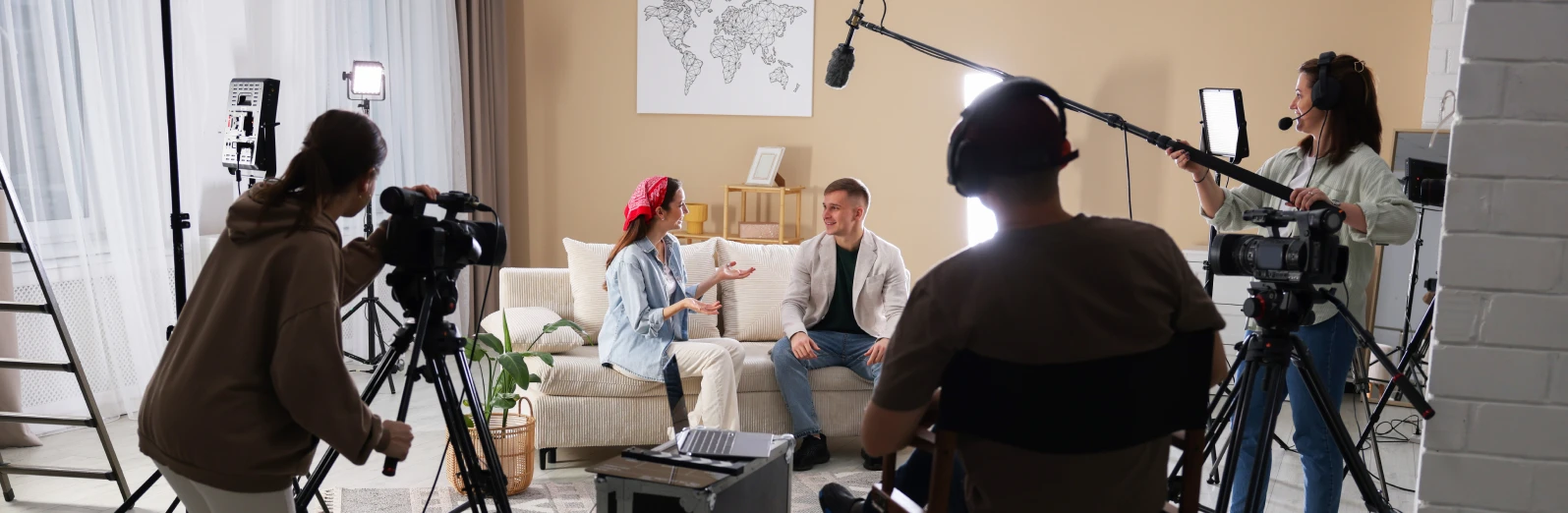
With a core team of three people, we needed coverage across multiple locations for a reality show format. We built partnerships with freelance videographers, positioning them strategically at locations where we directed contestants through carefully designed clues.
We placed actors at strategic points who would force contestants to react; running up stairs, entering a parking garage, changing direction suddenly. These actor partnerships gave us control over spontaneity. When one actor didn't show up, we pivoted by using someone we found in a nearby retail store. Put a bag over their head (they were playing a captive in the story), and kept filming.
The partnership framework gave us flexibility to solve production problems in real-time.

The Venue Partnerships That Solved Location Challenges
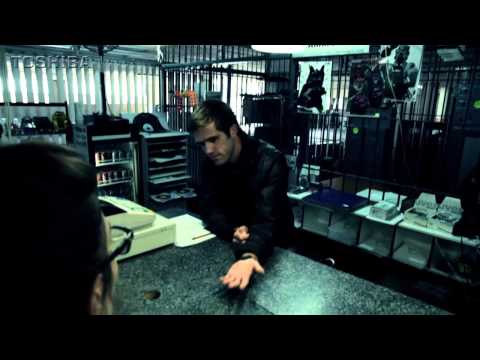
We partnered with real venues instead of filming in controlled locations. Parking garages, retail stores, and public spaces became our sets. These partnerships solved multiple problems simultaneously. We got authentic locations without rental fees. Venues got exposure to our target demographic. The production felt real because it was real.
Every location partnership followed the same principle: mutual benefit without forced integration.
How We Evaluated Partnership Opportunities
1. Brand alignment over category fit
Research shows that brand image fit between partner brands matters more than product category fit. Aston Martin and Toshiba don't make competing products, but they both represent innovation and premium quality.
2. Audience overlap without direct competition
We targeted students entering their first major purchase decisions. These future customers mattered to every premium brand we approached.
3. Mutual value exchange
We never asked for something without offering clear value in return. Brand exposure, content rights, social media reach—we made the benefit explicit.
4. Natural narrative integration
If we had to force a brand into the story, it wasn't right. The partnership had to enhance the experience, not interrupt it.
This framework helped us move quickly. We didn't waste time on partnerships that required extensive justification.

The Aston Martin Partnership
Aston Martin loaned us a DBS for the final episode. We used it for B-roll, interviews, and the climactic showdown scene. That single partnership gave us a production element that would have cost tens of thousands to rent commercially.
The spy theme made the partnership feel natural. James Bond drives an Aston Martin. Our contestants were living a spy adventure. The brand alignment was obvious.
But here's what made it work: Aston Martin gained exposure to exactly the demographic entering their first luxury purchase consideration set. Students who would remember this campaign when they had money to spend years later.
We weren't asking for charity. We were offering strategic brand exposure in an entertainment format that would live on YouTube indefinitely.
The Cost-Sharing Reality Behind Premium Production
Partners split the costs of production, marketing, and distribution. Each brand brings existing strengths, reducing the need for additional investment.
When Starbucks partnered with Spotify, Starbucks used Spotify's platform instead of building its own. Spotify gained access to 30,000+ stores. Both brands multiplied value without multiplying costs.
Our approach followed the same principle:
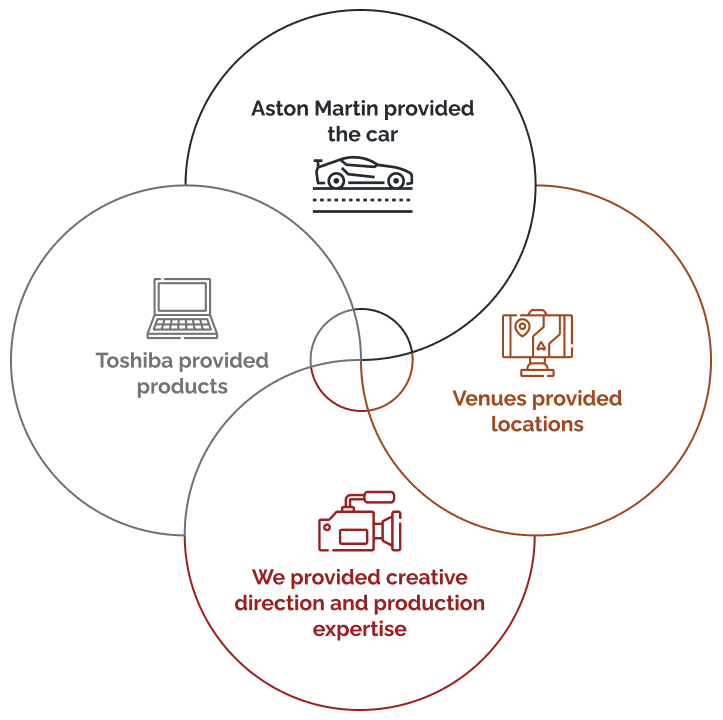
No single entity could have created what we built together.
Customer acquisition costs have jumped 222% in the last eight years. Partnership-driven content strategies have become essential for achieving reach without proportional budget increases.



What The Numbers Revealed About Partnership-Driven Content
Over three months, we generated:
-
34 million impressions
-
8 million unique IP addresses
-
244,000 interactions
When you searched "tablet race," Toshiba's Tablet Race dominated the 160 million search results with Toshiba owning every result on the first page. We didn't outspend competitors. We out-created them through partnerships.
In 2023, some brands generated over 28% of their total revenue through partnerships. Those committed to long-term collaboration saw annual revenue growth exceeding 50%. 68% of marketers view partnerships as a high-value tactic, with organizations investing 37% of their total marketing budgets into them. 71% of consumers enjoy co-branding partnerships.
Audiences respond positively when brands work together rather than maintaining rigid control.

The Engagement Partnerships That Extended Our Reach
We needed participation beyond just the contestants who appeared in episodes. We partnered with students through weekly online competitions with tangible prizes. Every week, we gave away a laptop. But the prize that generated the most engagement was flying in the person who was most active on social media to participate in the actual show as an actor.
This partnership with our audience changed everything. Students weren't just competing for stuff; they were competing for permanent presence in content that would live on YouTube indefinitely. Students generated content for us, leveraged their own networks to gain votes, and expanded our reach organically. They became distribution partners.
What I'd Do Differently About Partnerships Now
I'd formalize partnership agreements earlier. Some of our collaborations happened quickly, which was great for momentum but created occasional confusion about usage rights and deliverables.
I'd build in more buffer time for partner coordination. Managing freelance videographers across multiple locations required constant communication.
I'd test partnership pitches with smaller brands first. We succeeded with Aston Martin, but we could have refined our value proposition with lower-stakes partnerships before approaching premium brands.
The core insight remains valid:
collaboration over control unlocks production value that budget alone can't buy.
Why Partnership-Driven Production Works Better Now Than Ever
Media companies are shifting from quantity to quality. Content spend remains elevated, but the focus has moved toward fewer, better offerings. This trend favors partnership-driven production. When you collaborate with brands that bring complementary strengths, you can invest more resources per project while sharing the financial risk.
Content partnerships are especially cost-effective because the investment is lower than product development or distribution partnerships. They benefit from shorter timelines and fewer logistical complications.
The brands with the resources you need are looking for creative ways to reach audiences. The venues you want to film in are looking for exposure. The talent you need is looking for opportunities.
Your job is to create the framework where everyone wins through partnership.
The Partnership Framework You Can Apply Tomorrow
1. Identify what you actually need
List the specific resources, locations, or capabilities required for your project. Be concrete.
2. Find who already has those resources
Look for brands, venues, or service providers who possess what you need but aren't direct competitors.
3. Define the mutual value exchange
Articulate exactly what you're offering in return. Make the benefit clear and measurable.
4. Ensure natural integration
If the partnership requires forced explanation, it's wrong. The collaboration should enhance the experience.
5. Document everything
Formalize agreements early, even if they're simple. Clear expectations prevent problems later.
The partnership approach works across industries and project types. Anywhere you're constrained by budget, partnership thinking creates options.
What Actually Matters
I've worked on campaigns with massive budgets and campaigns with almost nothing. The budget size doesn't determine quality. Your willingness to collaborate does.
The Toshiba Tablet Race succeeded because we stopped trying to do everything ourselves. We found partners who brought capabilities we lacked. We created a framework where everyone benefited.
The Aston Martin DBS in our final episode didn't just look expensive. It represented a partnership philosophy that elevated everything we created. When you choose collaboration over control, you multiply your resources without multiplying your budget.
That's how you create Netflix-level production at a fraction of the cost through strategic partnerships.
Watch the Toshiba Tablet Race



BRANDS WE WORK WITH


